

Pelvis And Thigh
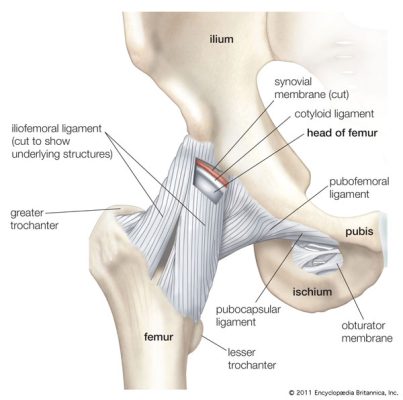
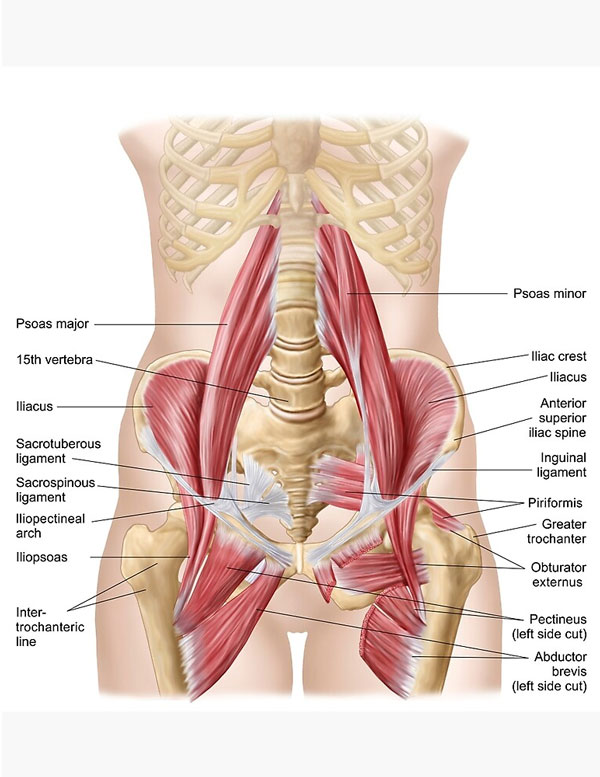
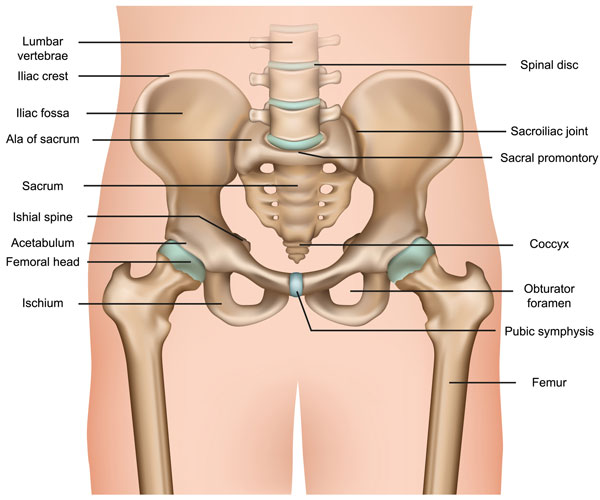
Each hip bone (or hip joint) is formed by the fusion of three bony parts called the ilium, ischium, and pubis.
The ilium forms the upper part of the pelvis and is the largest section of this bone; its upper and prominent edge is called the iliac crest.
The ischium forms the lower part of the pelvic bone and is the strongest part of the pelvis; at the lower section of the ischium lies the ischial tuberosity.
The two pubic bones meet at the midline at a site called the pubic symphysis.
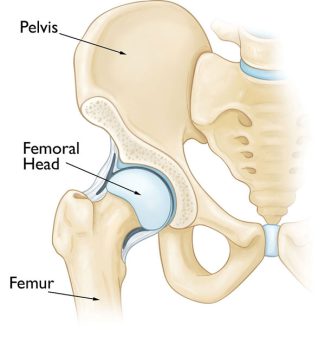
The hip joint is a ball-and-socket joint; in forming this joint, the rounded head of the femur and the deep, rounded socket of the hip bone called the acetabulum participate.
There are various classifications for hip fractures; in these fractures, hip dislocation may also occur.
The type of fracture determines the type of treatment, whether surgical or non-surgical.
In general, these fractures are divided into two categories:
Fractures that do not cause displacement or disturb the natural shape of the pelvis.
These types of fractures can occur in any part of the pelvis, but the most common site is the anterior branches of the ischiopubic bone, which often happens in elderly individuals due to falling on their sides.
The most important complication of these fractures is injury to the bladder, ureter, and uterus.
Usually, this type of fracture does not require specific treatment; painkillers and rest can help with healing. Additionally, regular physical activity can aid in recovery. If a bone fragment is completely displaced, surgery becomes necessary.
In the second type, the pelvic bone fracture is very severe and disrupts the natural shape of the pelvis.
In this type of fracture, the site of impact and the location of the fracture may differ; for example, a blow to the posterior pelvis may cause a fracture in the anterior part. A force applied to the back of the pelvis can lead to dislocation at the sacrum-ilium joint and cause a fracture in the ilium.
Controlling this type of fracture is usually difficult, especially if the fracture involves the acetabulum or the sacroiliac joint. A major complication of such fractures is injury and bleeding of the pelvic blood vessels, which can lead to hemorrhagic shock and potentially death. In these cases, surgery to control the bleeding is considered an emergency.
If you want more information about emergency orthopedic surgeries, click here.