

In-office Measures
These measures include:
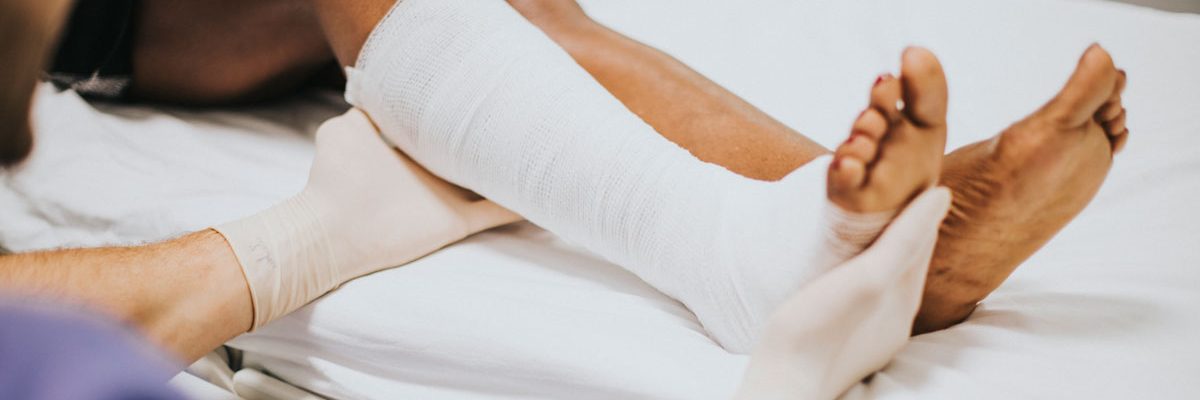
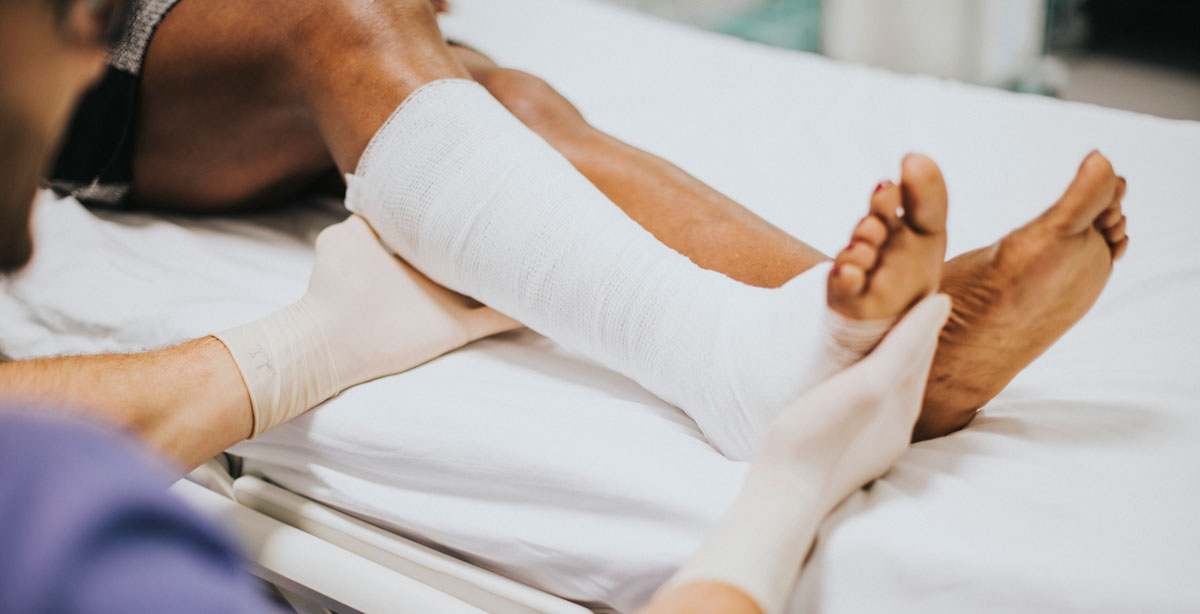
Casting: Casting holds the fractured bone in place and prevents movement of the surrounding area during healing. It also helps prevent or reduce muscle contractions and immobilizes the injured area, especially after surgery, which can also help reduce pain.
Gel and PRP Injections: Platelet-rich plasma (PRP) injection is an outpatient procedure that involves blood collection, PRP preparation, and injection, typically taking 45 to 90 minutes.
Blood is drawn from the patient’s arm vein into a vial.
The blood is processed using a centrifuge.
The doctor prepares the centrifuged platelet-rich plasma for injection.
The injured joint area is disinfected with antiseptic agents such as alcohol or iodine.
The patient is asked to rest, which facilitates the injection and can help reduce injection pain.
Using a syringe and needle, the doctor injects a small amount of PRP into the joint capsule.
Splint: A splint is a supportive device that immobilizes the injured part of the body and protects it from further damage.
By holding the broken ends together and in alignment, a splint helps the bones heal and also reduces pain and swelling.
Splints are used to treat conditions such as:
Sprains
Fractures
Dislocations
Pain control
Carpal tunnel syndrome: a condition characterized by numbness and tingling in the hand or arm due to pressure on a nerve in the wrist
Complex bone fractures
Suture Removal: Surgeons use sutures to close an incision after surgery. Sutures are made of thin threads that join the skin together as the cut heals.
These sutures should be removed at the time specified by the doctor after the surgical site or wound has healed. To reduce the risk of infection, suture removal at home is not recommended.