


Arthroplasty or Joint Replacement
Arthroplasty in Qom, also known as joint replacement surgery, is a procedure that replaces a damaged joint with an artificial one made of metal, ceramic, or plastic, such as a knee replacement. Walking aids and rest have not been effective in relieving joint pain and stiffness.
During the surgery, the surgeon removes the damaged joint and replaces it with an artificial joint that resembles the natural joint and moves similarly. Depending on the extent of joint damage, the artificial joint can be a total replacement, replacing the entire joint, or a partial replacement, replacing only the damaged part.
Joint Incision
In this surgery, the surgeon makes an incision on the damaged joint and removes the affected bone and cartilage. The artificial joint is then attached to the remaining bone using special cement or adhesive. Screws or other hardware may also be used to secure the artificial joint in place. Once positioned, the incision is closed with sutures or staples.
Arthroplasty is typically performed in hospitals by trained medical specialists. The procedure can take several hours and requires general anesthesia.
Surgery
Knee Joint Replacement Surgery in Qom is a common treatment for individuals with severe arthritis or other conditions that damage the joints. Some of the most common reasons for joint replacement surgery include:
Osteoarthritis: A degenerative disease that gradually wears down and damages the joints.
Rheumatoid Arthritis: An autoimmune disorder causing inflammation in the joints.
Trauma: Joint damage resulting from accidents or falls.
Avascular Necrosis: A condition that occurs when blood supply to the bone is interrupted.
Recovery time for arthroplasty varies depending on factors such as age, lifestyle, type of surgery, and the joint replaced. Physiotherapy is usually recommended after surgery to help patients regain strength and mobility in the joints.
Some of the most common arthroplasty procedures include:
Hip Replacement: Involves removing the entire hip joint and replacing it with a metal, ceramic, or plastic prosthesis. The prosthesis consists of a ball that fits into a socket in the pelvis. Hip replacement is often performed for severe osteoarthritis, rheumatoid arthritis, hip fractures, or avascular necrosis. It can relieve pain, improve mobility, and restore normal hip function.
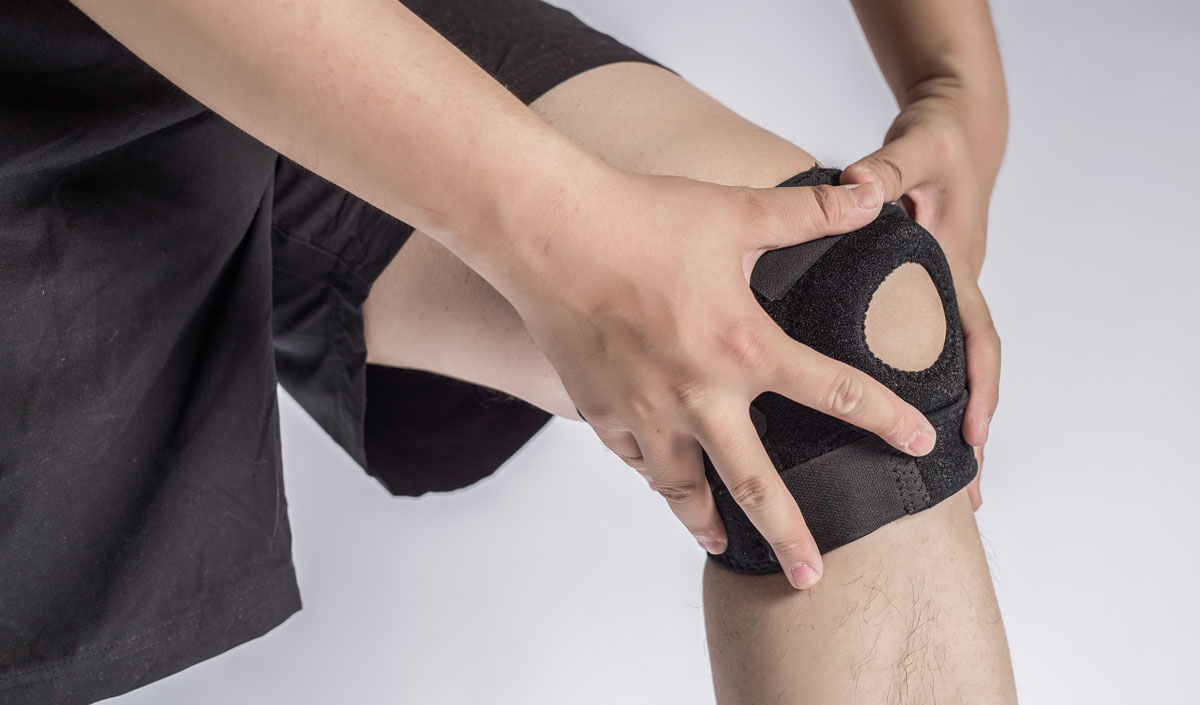
Knee Replacement: Involves removing the entire knee joint and replacing it with a metal and plastic prosthesis. The prosthesis includes a metal femoral component covering the end of the thigh bone, a metal tibial component covering the top of the shin bone, and a plastic spacer acting as cartilage between them. Knee replacement is often performed for severe osteoarthritis, rheumatoid arthritis, or knee deformities. It can reduce pain, improve stability, and restore normal knee function.
Shoulder Replacement: Involves removing the entire shoulder joint and replacing it with a metal and plastic prosthesis. The prosthesis includes a metal ball attached to the upper arm bone and a plastic socket attached to the shoulder blade. Shoulder replacement is often performed for severe osteoarthritis, rheumatoid arthritis, shoulder fractures, or rotator cuff tears. It can relieve pain, improve range of motion, and restore normal shoulder function.
Knee Replacement
These are some of the most common surgeries in which arthroplasty is performed. However, arthroplasty can also be done for other joints such as the ankle, wrist, elbow, and finger joints. The type of surgery that is best for you depends on factors such as age, overall health, activity level, joint condition, and personal preferences.