

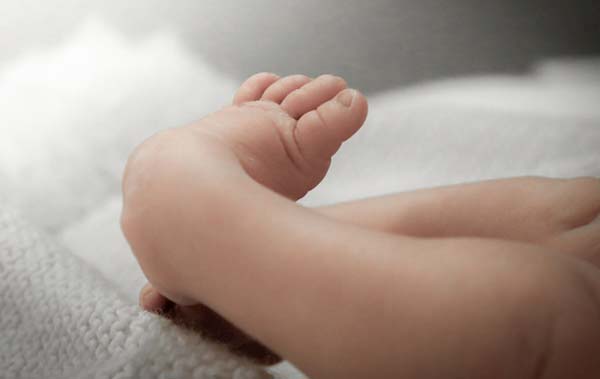
Approximately one in every 1,000 newborns is born with clubfoot. This condition is usually characterized by bent feet and a “smile-like” appearance. Most infants with clubfoot are otherwise completely healthy, but if left untreated, it can lead to walking difficulties and pain later in life. More than half of newborns with clubfoot have the condition in both feet. To learn more about this issue and the available treatment methods for clubfoot, continue reading with us.
Successful treatment of clubfoot
One of our proudest achievements is providing effective and minimally invasive treatments for dear infants. Recently, a baby with clubfoot visited Dr. Ali Moazami Pour’s clinic. Fortunately, by utilizing modern treatment methods and only four casting sessions, the child’s treatment was successfully completed without the need for surgery.
Witnessing such valuable results for infants is always inspiring and greatly motivates our medical team. We believe that by employing contemporary methods, the health and quality of life of children can be significantly improved.
If you are concerned about your child’s foot health, we are ready to provide expert guidance and minimally invasive solutions.
Dr. Ali Moazami Pour | Orthopedic Surgeon and Specialist
- Address: Qom, Zanbilabad, Beginning of Attaran, No. 33
- Phone: 09351024294
Clubfoot in Infants: Understanding, Causes, and Treatment
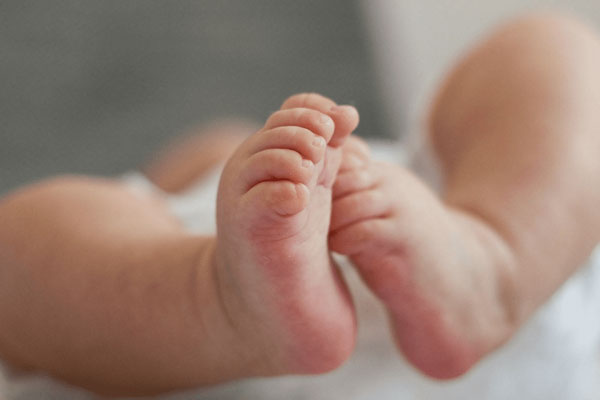
Clubfoot, or congenital talipes equinovarus, is a congenital condition present from birth that causes an infant’s feet to turn inward or downward. This issue often affects one foot, though sometimes both feet are involved with varying severity. In affected infants, the tendons connecting the calf muscles to the heel become shortened, causing the foot to deviate from its normal shape. Based on the prevalence of this condition, approximately 1 in every 1,000 newborns in the United States is born with clubfoot. Boys are generally twice as likely as girls to be born with this condition.
Most infants with bowed feet are otherwise healthy, and in a small percentage of cases, clubfoot can appear as part of more serious conditions, such as spina bifida. When treated during infancy, this condition can be corrected, allowing the child to walk and move normally in the future. Although clubfoot itself does not cause pain, if left untreated, it may lead to walking difficulties later in life. Therefore, treatment should begin within one to two weeks after birth. It is essential to consult the best orthopedic specialist near your location for effective treatment.
Causes of clubfoot
The exact cause of clubfoot is not fully understood, but a combination of genetic and environmental factors plays a role in its development.
Genetic Factors
Family history: If a parent or sibling has clubfoot, the likelihood of the child or other family members being affected increases.
Chromosomal abnormalities: Certain chromosomal disorders, such as Down syndrome, may be associated with a higher risk of clubfoot.
Environmental Factors
Fetal position in the womb: Sometimes, an abnormal position of the fetus can put pressure on the foot, causing it to develop abnormally.
Unknown factors: Some environmental influences, such as maternal nutrition during pregnancy, exposure to certain chemicals, or infections during pregnancy, may contribute to the development of clubfoot.
Important note: In many cases, the exact cause of clubfoot remains unknown, and doctors consider it an idiopathic congenital condition.
Risk Factors for Clubfoot
In addition to genetic and environmental factors, other conditions may increase the risk of developing clubfoot:
Gender: Boys are more likely than girls to develop clubfoot.
Multiple births: Twins and other multiples have a higher risk.
Other congenital abnormalities: Clubfoot may occur alongside other congenital conditions, such as spina bifida or hip dysplasia.
Appearance of clubfoot
Clubfoot is a variable condition that can range from mild to severe. In this condition, the foot may turn slightly inward, and the shape of the sole may be somewhat altered. Mild clubfoot may be less noticeable in appearance, while more severe forms involve more significant changes in the shape of the foot and lower leg. There are various manifestations of this condition, some of which will be discussed further in this article.
Types of Clubfoot: Patterns and the Importance of Treatment
Clubfoot is primarily divided into two categories:
- Isolated Clubfoot (Idiopathic or of Unknown Cause): This is the most common type of clubfoot, especially in children without other medical issues. It typically appears in otherwise healthy children and often responds quickly to treatment.
- Non-Isolated Clubfoot: This type occurs alongside neurological and muscular disorders, arthrogryposis, or spinal defects. Non-isolated clubfoot is associated with other conditions and, when linked with neuromuscular diseases, may require more resistant orthopedic treatment and sometimes multiple surgeries.
- Importance of Treatment: Regardless of the severity or type of clubfoot, treatment is essential. Without proper intervention, the child may face walking difficulties and, later in life, significant pain and mobility limitations. Parents should ensure that with appropriate orthopedic care, their child can lead a normal, active life.
Symptoms: Easy Recognition and Diagnosis in Infants
Diagnosing clubfoot in infants is generally not complicated and can be easily accomplished through a physical examination. In some cases, ultrasound during the late stages of pregnancy can also be used to detect the condition. The symptoms of clubfoot vary but are readily identifiable by a specialist. Some of the signs include:
The foot is bent downward, and the toes may turn inward.
The appearance of the foot may be sideways or, in some cases, inverted.
The affected foot may be slightly shorter than the other.
The calf muscles in the affected leg may not be fully developed.
Limited range of motion in the foot is possible.
In severe cases, the foot may be completely inverted.
These signs are recognized by specialists as indicative of clubfoot.
Prognosis of Clubfoot
Clubfoot, or congenital talipes equinovarus, is a common congenital deformity that has an excellent prognosis when diagnosed and treated early. With recent advances in treatment methods, most children with clubfoot can lead active and normal lives.
Factors Affecting the Prognosis of Clubfoot
Timing of Treatment: The earlier the treatment begins, the better the outcome. Initiating therapy within the first weeks after birth yields the best results.
Severity of the Condition: The severity of the clubfoot and the flexibility of the foot joints influence the duration and type of treatment required.
Family Cooperation: Parental involvement and strict adherence to the physician’s instructions play a crucial role in treatment success.
Type of Treatment: Various treatment methods exist, and the specialist selects the most appropriate approach based on each patient’s condition.
Overall Prognosis
With appropriate treatment, most children with clubfoot can achieve:
Normal Walking: Through physiotherapy exercises and the use of supportive devices, children can learn to walk normally.
Participation in Sports: Many children with clubfoot can engage in sports and maintain an active lifestyle.
Independent Living: Successful treatment enables these children to live independently without limitations.
Factors That May Negatively Affect Prognosis
Delayed Treatment: Late initiation of therapy may impact results and require longer or more complex interventions.
Lack of Family Cooperation: Failure to follow exercises and use supportive devices can negatively affect the treatment process.
Associated Deformities: Clubfoot accompanied by other congenital abnormalities may complicate treatment.
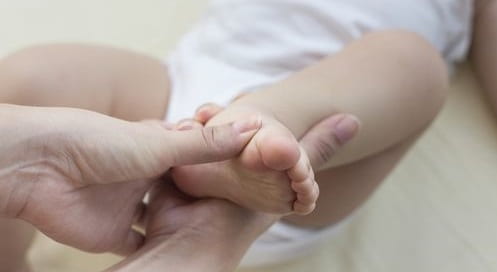
Treatment of Clubfoot in Infants
Treatment of clubfoot in infants begins from the very first moments after birth. Since newborns do not use their feet until they start walking, the earliest period after birth is the best time to begin treatment.
Surgical Treatment of Clubfoot:
If the tendons and soft tissues of the infant’s foot are very tight, surgery is the most effective solution for correcting clubfoot. This surgery is typically performed between six months and one year of age. During the procedure, the foot is corrected to the proper angle, and a cast is applied to maintain stability. After surgery, the child usually needs to wear special shoes for about one year.
Ponseti Method:
This method uses only casting to correct the foot’s angle. The physician gently stretches the foot into the correct position and applies a cast to hold it in place. Each week, the cast is removed, and the foot is adjusted again. This process continues until the foot is fully corrected, usually taking several months.
Sometimes, the doctor performs a minor procedure on the Achilles tendon, which connects the heel to the calf muscles, allowing the tendon to grow to its normal length. After completing this treatment, the child may need to wear special shoes for several months and perform appropriate exercises. Ask your pediatrician to refer you to an experienced orthopedic specialist in Qom for clubfoot treatment.
The Importance of Early Diagnosis of Clubfoot in Improving Treatment Outcomes
Clubfoot, or congenital talipes equinovarus, is a congenital deformity in which an infant’s foot turns inward and downward. Early diagnosis and immediate initiation of treatment play a crucial role in improving therapeutic outcomes and enabling the child to lead a normal life.
Why Early Diagnosis Is Important
Tissue Flexibility: In newborns, the foot tissues are softer and more flexible, making correction with non-surgical methods, such as serial casting, easier and more effective.
Prevention of Complications: Untreated clubfoot can lead to chronic pain, limited mobility, permanent bone deformities, and walking difficulties. Early diagnosis and timely treatment help prevent these complications.
Improved Foot Function: Early treatment gradually restores the foot toward its natural shape and enhances its functionality.
Reduced Need for Surgery: In many cases, early detection and non-surgical intervention reduce or even eliminate the need for surgical correction.
Benefits of Early Diagnosis
Reduced Pain and Discomfort: Early treatment alleviates the pain and discomfort associated with clubfoot.
Increased Confidence: Children who receive timely treatment tend to have higher self-confidence and participate more easily in social activities.
Improved Quality of Life: With proper treatment, children with clubfoot can lead active and independent lives.
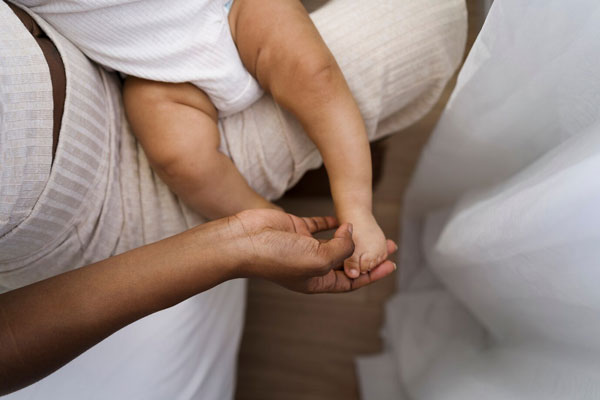
Complications of Clubfoot
If clubfoot is not treated promptly and completely, it can lead to serious and long-term complications. These issues affect not only the appearance of the foot but also the individual’s ability to walk, run, and perform daily activities.
Specific Complications of Untreated Clubfoot:
Chronic pain and arthritis: Continuous pressure on the foot joints due to the deformity can cause chronic pain and, over time, osteoarthritis. This pain can interfere with daily activities and reduce quality of life.
Difficulty walking normally and limping: Individuals with untreated clubfoot often cannot walk properly on the soles of their feet and may walk on the edges or outer parts of the foot. This can lead to calluses, blisters, and eventually limping.
Balance problems and increased risk of falls: Clubfoot deformity can affect balance and increase the risk of falls, which is particularly dangerous for children and the elderly.
Changes in bone structure: In severe untreated cases, permanent changes in the foot’s bone structure may occur, making correction very difficult or sometimes impossible.
Skin problems: Walking on abnormal parts of the foot can cause calluses, blisters, and other skin issues, which can be painful and affect the foot’s appearance.
Psychological and social problems: Living with a physical disability like clubfoot can impact self-esteem, mental health, and social interactions. Children with clubfoot may be teased by peers, affecting social relationships and academic performance.
Final Word…
Based on studies, the exact cause of clubfoot is not fully understood, but genetic factors and the mother’s lifestyle during pregnancy may play a role. If a newborn’s clubfoot is left untreated, it can lead to difficulties in walking normally later in life. While some individuals may manage to walk with clubfoot, doing so in adulthood often comes with significant challenges. Children with clubfoot frequently have to walk on the edges of their feet, which can result in large calluses and chronic foot pain. Therefore, once the condition is diagnosed after birth, prompt treatment is strongly recommended.
Frequently Asked Questions
What is Clubfoot (Talipes Equinovarus) and What Are Its Symptoms?
Clubfoot is a congenital deformity in which a newborn’s foot is turned inward and downward, deviating from its normal shape. This condition is usually evident at birth and can affect one or both feet.
What is the Best Age to Start Clubfoot Treatment in Children?
It is recommended to start clubfoot treatment immediately after birth, usually within the first few weeks of life, to achieve the best results. Early intervention can help prevent the need for surgery later on.
Is It Possible to Treat Clubfoot Without Surgery?
Yes, in many cases, clubfoot can be fully treated with non-surgical methods such as serial casting (the Ponseti method). Surgery is only required in severe cases or if non-surgical treatment fails.
How to Book an Appointment with Dr. Ali Moazami Pour, Orthopedic Surgeon and Specialist?
You can book a consultation with Dr. Ali Moazami Pour in three ways:
Online booking through DoctorTo, Nobat.ir, and Pazirash 24.
By phone at 09351024294.
In-person at the clinic: Qom – Zanbilabad – Beginning of Attaran Street – No. 33.
For coordinating orthopedic surgeries: 09191487668.