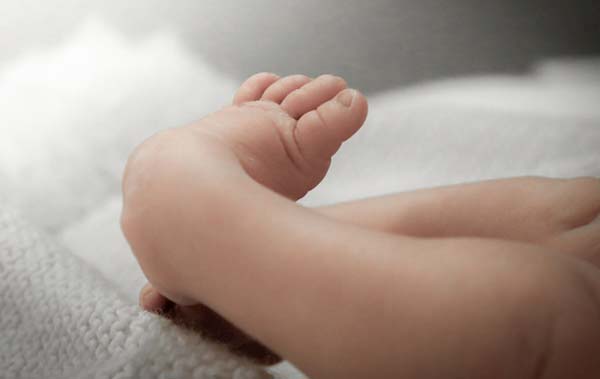


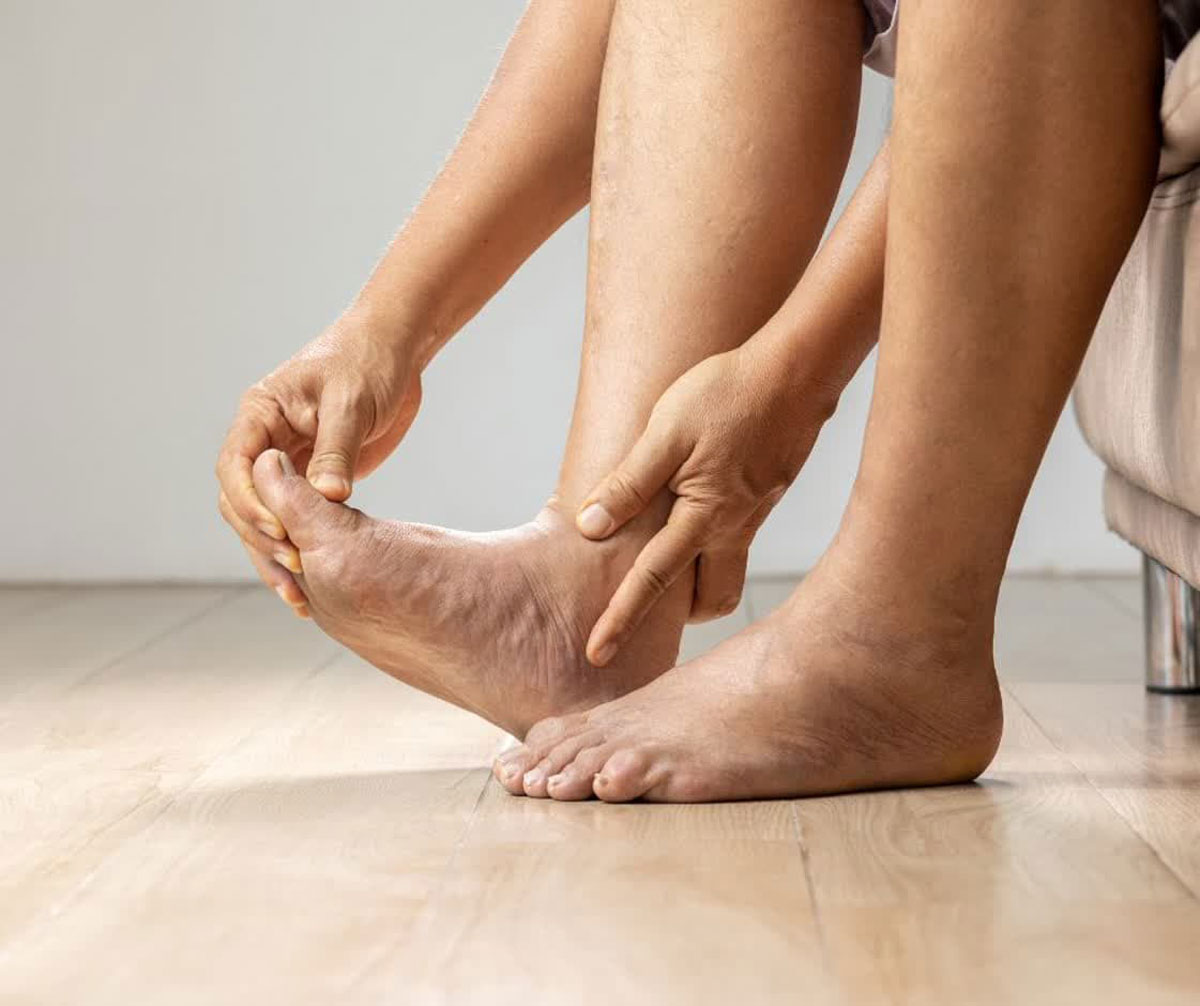
Foot deformities are a group of foot problems that can have significant effects on an individual’s function and quality of life. These deformities are categorized into congenital and acquired types. Some are present at birth, while others develop due to various factors such as injury, musculoskeletal diseases, or genetic influences. This article examines major foot deformities, including clubfoot, metatarsus adductus, bowleg, knock-knee, and neurological disorders. Each of these deformities has its own specific characteristics, causes, and treatment methods, which are discussed in detail below.
Clubfoot
Clubfoot is a congenital deformity in which one or both of a newborn’s feet are abnormally turned inward, with the soles facing inward and downward. The arch of the foot is exaggerated, giving the foot a club-like appearance. This condition can affect either one foot or both. If left untreated, it can lead to serious issues with walking, foot deformity, and even chronic pain. Common treatments for clubfoot include the Ponseti method, where the foot is gradually corrected through successive casting. In more severe cases or if non-invasive methods fail, surgery may be recommended. The use of braces and physical therapy also plays a crucial role in improving mobility and preventing the recurrence of foot deformities.
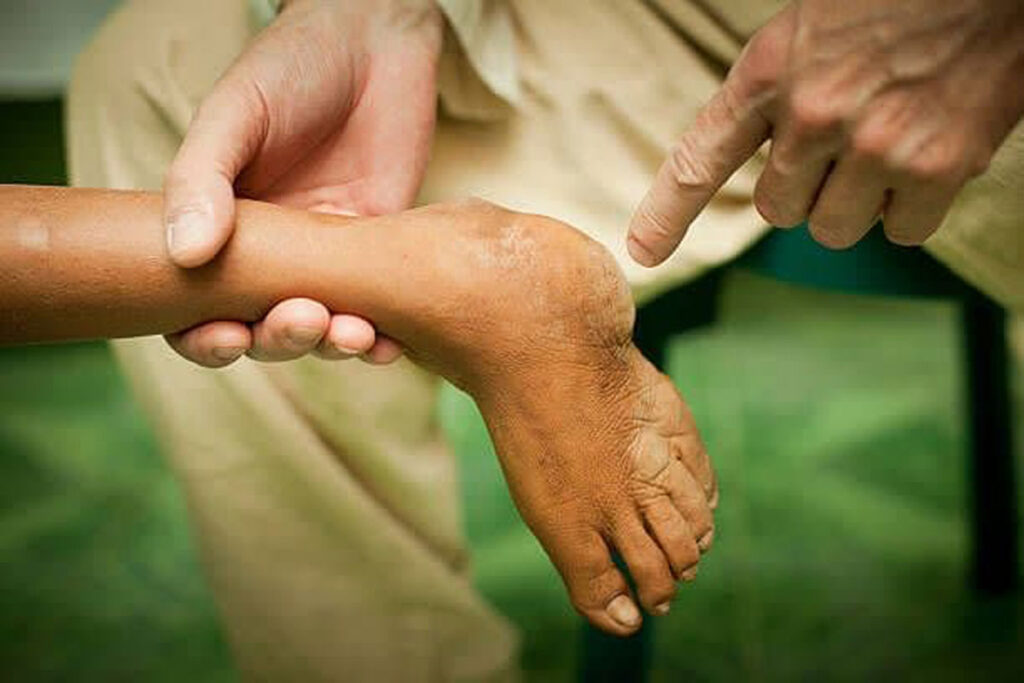
Metatarsus Adductus
Metatarsus adductus is another congenital foot deformity in which the front part of the foot (toes and metatarsals) is turned inward. This condition often resembles a crescent shape. It is usually painless and, in many cases, gradually corrects itself as the child grows. However, in more severe cases or if the deviation does not resolve over time, medical intervention may be required. Common treatments include regular massage, physical therapy, and in more severe cases, the use of braces or casting. The primary goal of treatment is to prevent walking difficulties and ensure proper foot alignment for future shoe fitting.
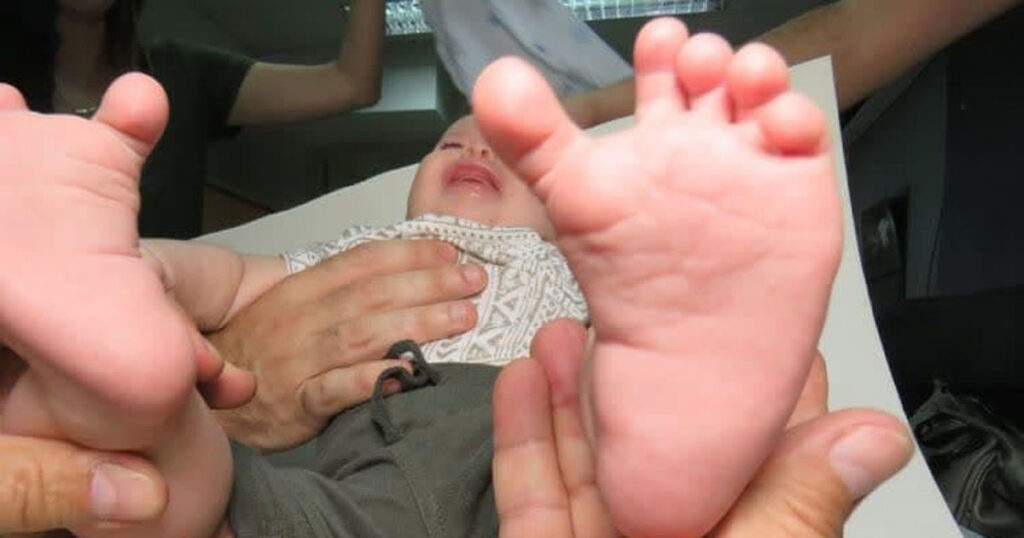
Bowlegs
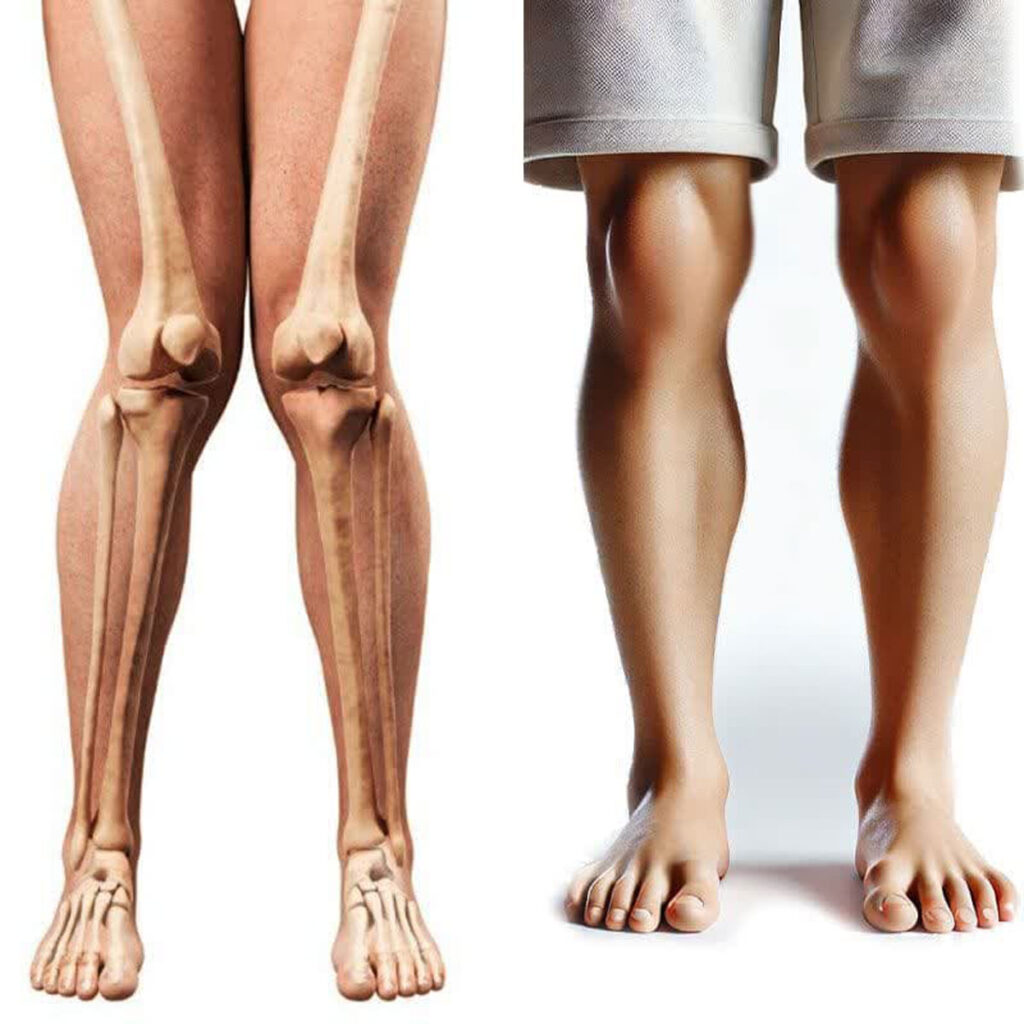
Bowlegs, or genu varum, refers to a condition in which the legs curve outward at the knees, creating a shape resembling parentheses. This condition is normal in many children up to the age of two and usually improves as bones grow and muscles strengthen. However, if the deformity persists or worsens beyond this age, it may be due to factors such as bone abnormalities, vitamin D deficiency (rickets), or genetic disorders. Treatment depends on the severity of the condition and may include physical therapy, the use of braces, or corrective surgery in severe cases. Strengthening the leg muscles and joints through regular exercises and vitamin D supplementation can also help improve this condition.

Knock Knees
Knock knees, or genu valgum, is a condition in which the knees come close together while the lower legs angle outward. This condition is also common in young children and usually resolves on its own by around age seven. However, if the issue persists into later years or is severe, it can lead to walking difficulties, knee pain, and even long-term joint damage. In such cases, physical therapy to strengthen the muscles around the knees and the use of braces may help correct the condition. In very severe cases, surgery to realign the bones of the legs may be necessary.
Neurological Foot Disorders
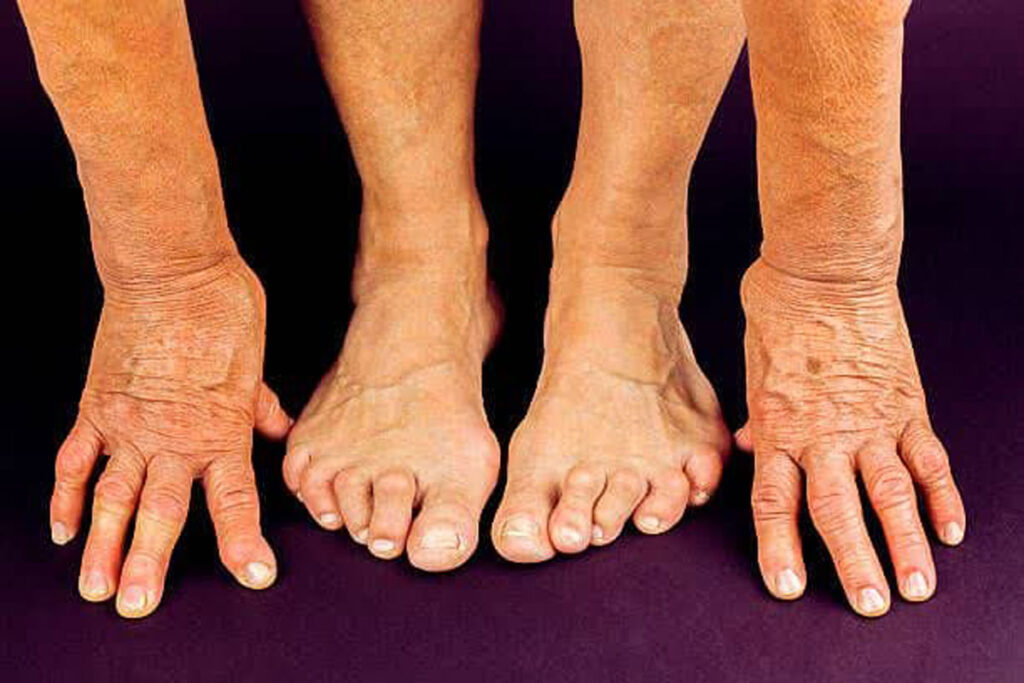
Neurological foot disorders are usually caused by damage or dysfunction in the nervous system, affecting the control of movement and muscle coordination in the foot. These disorders can lead to muscle weakness, gait imbalances, and abnormal changes in foot shape. Common conditions that cause neurological foot disorders include diabetes (diabetic neuropathy), stroke, spinal cord injuries, and neurological diseases such as multiple sclerosis (MS). Treatment depends on the type and severity of the nerve damage and may include physical therapy, medication (to reduce neuropathic pain), the use of assistive devices such as braces, and, in some cases, surgery. Timely treatment of foot deformities can improve quality of life and prevent serious mobility issues.
Comparison of Foot Deformities
Although each of these foot problems has its own specific characteristics and causes, they can all lead to issues affecting an individual’s function and quality of life. Clubfoot and metatarsus adductus are primarily congenital deformities, whereas bowlegs and knock knees are generally considered developmental abnormalities in children. On the other hand, neurological disorders arise from nerve-related causes and may result in more serious complications compared to other deformities.
Regarding treatment, different approaches are applied for each of these foot deformities. Management of clubfoot and metatarsus adductus typically involves physical therapy and the use of braces. Bowlegs and knock knees may require surgical intervention in severe cases, while neurological disorders usually necessitate specialized treatment and ongoing care. Overall, early diagnosis and appropriate treatment can help reduce the complications associated with these foot disorders.
|
Features
|
Clubfoot
|
Metatarsus Adductus
|
Bowleg
|
Knock-knee
|
Neurological disorders
|
|---|---|---|---|---|---|
|
Affected part of the foot
|
Entire foot from ankle to toes
|
Forefoot
|
Knees
|
Knees
|
Entire leg or other parts of the body
|
|
Cause
|
Unknown (usually congenital)
|
Tendon shortening
|
Various factors (genetics, nutrition, etc.)
|
Multiple factors (genetics, nutrition, etc.)
|
Underlying neurological disease
|
|
Symptoms
|
The foot is twisted inward and downward, with limited range of motion.
|
The toes are rotated inward.
|
The knees are bent outward.
|
The knees are bent inward.
|
Neurological symptoms associated with clubfoot (depending on the type of neurological disorder).
|
In conclusion...
Ultimately, foot deformities can have significant impacts on individuals’ daily lives, leading to issues such as pain, impaired mobility, and altered foot shape. However, timely identification and treatment of these deformities can help improve quality of life and motor function. Comparing clubfoot, metatarsus adductus, bowfoot, knock-knee, and neurological disorders shows that although these conditions have different causes and treatments, they can all result in similar functional problems in the foot. For instance, while some of these deformities are congenital, others develop later due to environmental factors. Consequently, foot disorders require careful attention and treatment to enable individuals to lead better lives. Early diagnosis and selection of appropriate treatment methods for each of these deformities can help maintain foot health and proper function.
Frequently Asked Questions
What complications can foot deformities cause?
Complications of foot deformities include persistent pain, altered foot shape, difficulty walking normally, and negative impacts on daily activities. Over time, these issues can worsen and lead to further problems such as joint and muscle disorders.
What is the main cause of these deformities?
The main causes of foot deformities vary, but common factors include genetics, congenital issues, childhood injuries, and musculoskeletal disorders. Some of these deformities may also result from developmental defects in the womb.
Are these deformities treatable?
Yes, many foot deformities are treatable. Various treatment methods are available, including physical therapy, the use of braces or casting, and in some cases, surgery. Early intervention can have a greater positive impact and help prevent further complications in the future.
When should one see a doctor for treatment of these deformities?
The timing for seeing a doctor depends on the severity of the deformity and its impact on daily life. If there are noticeable changes in foot shape or difficulties in walking and performing daily activities, it is recommended to consult a physician.
What role does physical therapy play in the treatment of foot deformities?
Physical therapy is one of the primary treatment methods for many foot deformities. Specific exercises can help strengthen muscles, improve joint mobility, and reduce pain. In some cases, physical therapy combined with the use of braces or casting can yield very positive results.
For what types of deformities is surgery recommended?
Surgery is generally recommended for deformities that cannot be corrected through non-surgical methods or when the deformities are severe and cause significant problems with walking and daily activities. Severe clubfoot and neurological foot deformities that result in muscle weakness or substantial changes in foot shape are among the cases that may require surgical intervention.
Can home treatments such as massage and stretching exercises be effective in treating foot deformities?
Home treatments such as massage and stretching exercises may help improve certain foot deformities, especially in the early stages. However, these methods are usually not sufficient on their own and should be performed under the supervision of a physician or physical therapist.
How to book an appointment with Dr. Moazami Pour, orthopedic surgeon and specialist?
You can book an appointment with Dr. Moazami Pour in three ways:
-
Online booking through DoctorTo, Nobat.ir, and Pazirash 24.
-
By calling 09351024294.
-
By visiting the clinic in person at: Qom – Zanbilabad – Beginning of Attaran – No. 33.
For coordinating orthopedic surgeries: 09191487668.