

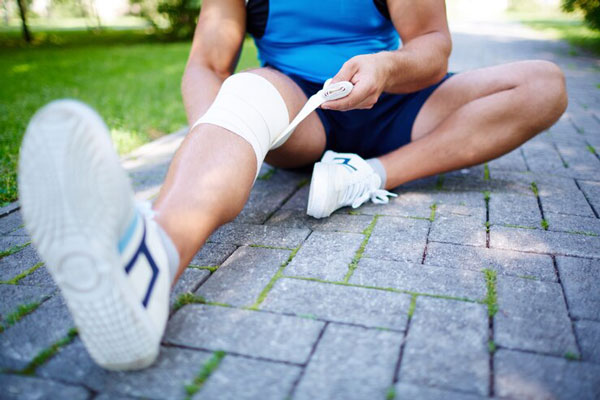
Bowleggedness, or genu varum, is a condition in which the knees are spaced apart while the ankles come closer together. This condition may result from diseases such as Blount’s disease and rickets in children, and in some cases, it can lead to knee osteoarthritis. Treatment options, including bracing, casting, or even surgery to correct bone deformities, are among the recommended approaches by an orthopedic specialist. It is important that the type of bowleg correction be determined based on the patient’s age and the severity of the knee angulation.
Our Services | Dr. Ali Moazami Pour
What is bowleggedness?
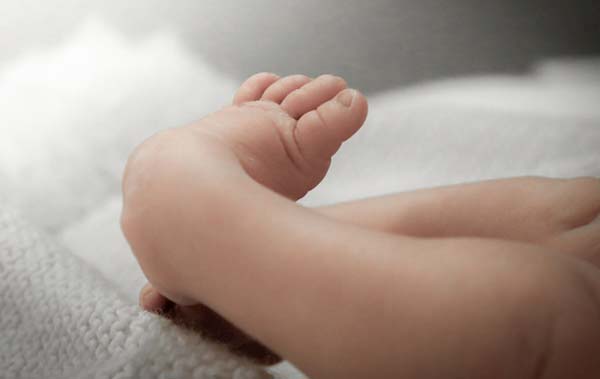
Bowleggedness is a condition in which the knees bend outward, often related to the position of the fetus in the womb during pregnancy. In such cases, the occurrence of this condition in newborns is considered normal. However, if a child still presents with bowlegs by the age of three, it is recommended that they be examined by an orthopedic specialist.
Infants who are curled up in the womb may be born with bowlegs. According to the natural growth pattern, when children begin standing and walking, the knees tend to bow outward more. This condition usually begins to correct itself around the ages of two to three, with the knees slightly angling inward.
As mentioned, bowleggedness is considered normal up to the age of two, but if the condition persists beyond this age, consultation with an orthopedic doctor is advised.
What are the symptoms of this condition?
The symptoms of bowleggedness include a noticeable outward curvature of the lower legs, reduced hip range of motion, and pain in the knees and hips, which may cause difficulties in walking and running. In addition to these symptoms, knee instability can negatively affect physical movements. If the bowing of the legs is severe, there is also a risk of bone wear and tear.
What causes bowleggedness?
A common sign of bowleggedness is that the knees do not touch while the ankles remain close together. If this condition persists beyond three years of age, it may be considered indicative of bowlegs. Bowleg deformity, an imbalance around the knee, can have long-term effects on individuals. The main causes of this condition include:
- Blount’s Disease: In this disorder, the lower leg grows abnormally, causing a bend below the knee. It often appears in early childhood, but in some cases, symptoms may not become apparent until adolescence. Bowing of the knees can lead to knee problems.
- Rickets: This condition arises from long-term vitamin D deficiency. Weakness and softening of the bones can result in bowed knees.
- Paget’s Disease: A metabolic bone disorder that can negatively affect bone remodeling. It is more common in middle-aged individuals and can be treated effectively if diagnosed early.
Treatment
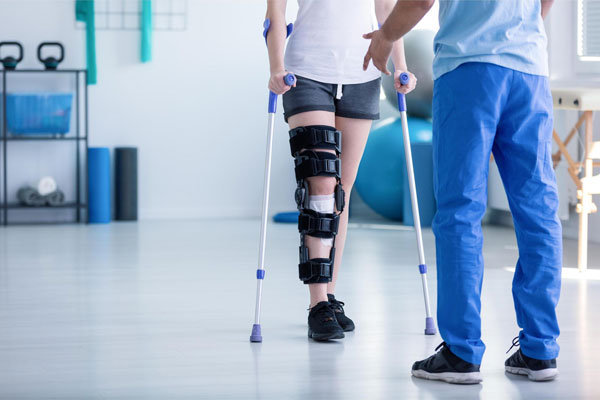
Typically, correction of bowlegs is not considered for infants and young children who have started walking, and treatment is usually recommended by a doctor only when the degree of knee deviation is severe or symptoms worsen. Potential treatments may include:
Use of appropriate footwear for children
Orthotic bracing for children
Management of underlying conditions that cause bowlegs
Surgery to correct bone deformities, if necessary
Bowleg Surgery
In growing children, surgical interventions are better suited for gradual correction and proper development of the legs, and consultation with a pediatric orthopedic specialist is recommended. For older adolescents and adults, bowleg surgery typically involves cutting and realigning a portion of the bone. X-rays are used to identify the location and measure the asymmetry of the legs. If deformity is present, the bone is cut and repositioned, then stabilized with a plate and rod inside the leg.
In cases of severe bowing, an external fixator may be used, or the bone may be cut and corrected with the help of an external stabilizing device. With external fixation, rods inserted into the bone are connected to an external frame. In some cases, bowleggedness may result in one leg being shorter than the other, and corrective surgery is used to straighten the leg and restore proper alignment.
Final Words…
Bowleggedness is a musculoskeletal deformity that can be observed in childhood, adulthood, and middle age. In most cases, the deviation is mild and is usually managed with corrective exercises and the use of orthopedic knee braces. Surgery is considered a last-resort treatment for individuals facing severe problems. No matter how long you have had this condition, treatment options are always available. By working with skilled and experienced doctors, you can correct your bowed legs and walk comfortably like everyone else, without pain or difficulty.