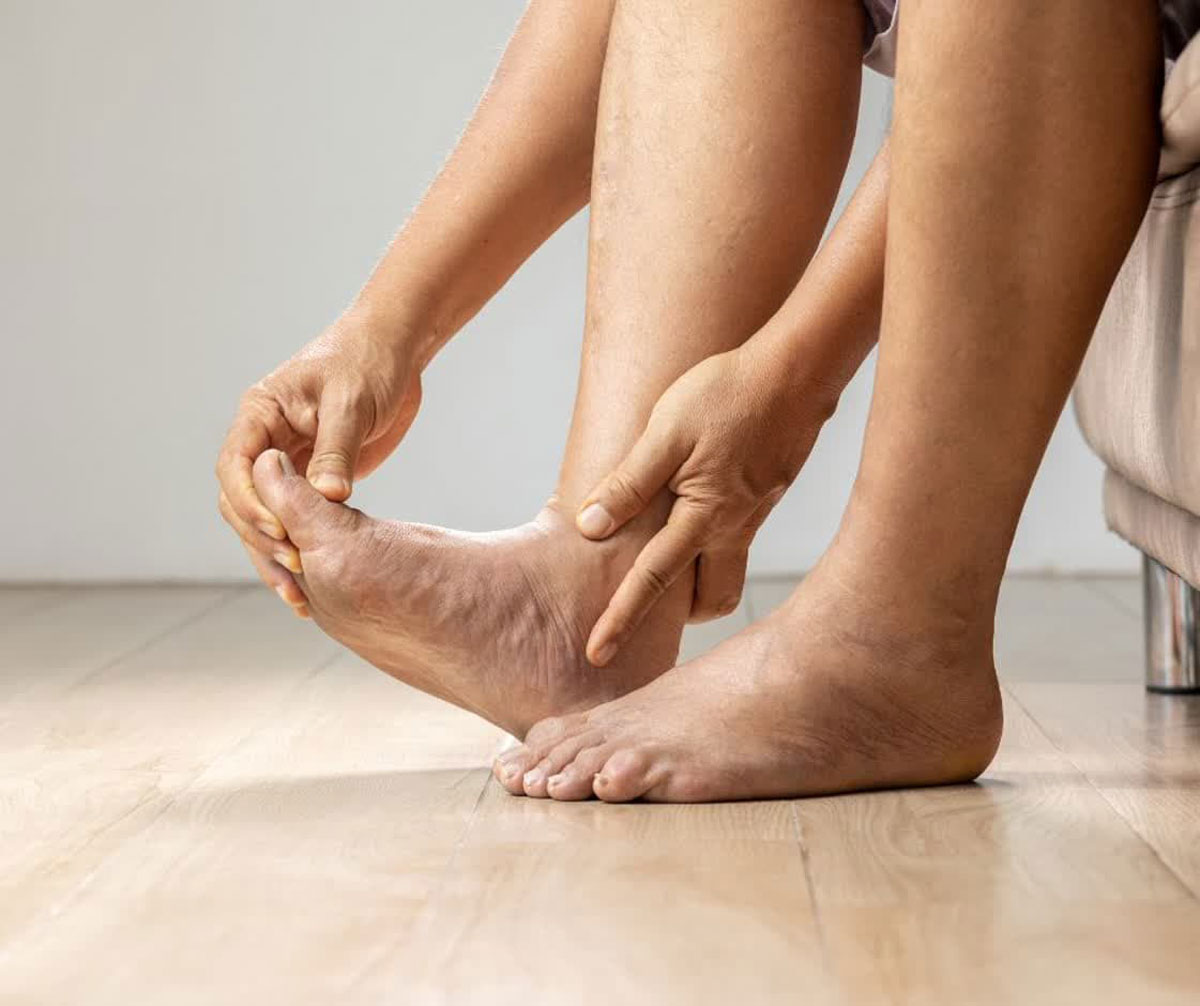


Knee replacement surgery is an advanced surgical procedure used to improve the quality of life for individuals experiencing knee joint problems. This method is usually considered a last resort for those whose other treatments have been ineffective or whose knee joint is severely damaged.
The knee joint is a vital part of the body’s musculoskeletal system and, when affected by various issues, can negatively impact a person’s daily activities.
For more information about knee replacement surgery, you can contact Dr. Ali Moazami Pour’s clinic.
دکتر ارتوپد در قم
What is knee replacement?
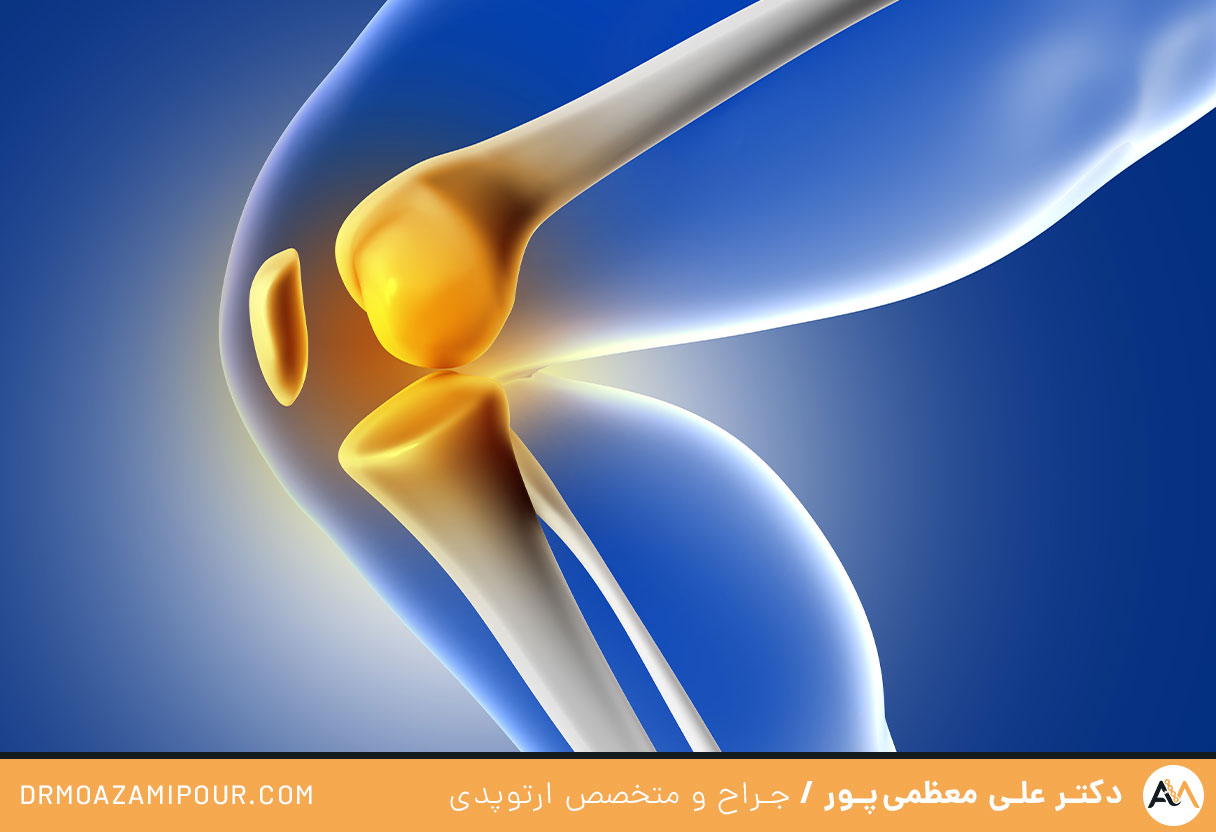
Knee replacement surgery, or arthroplasty, is performed to reduce pain and improve the function of the knee joint. In this surgical procedure, damaged joint components, including the femur, kneecap, and tibia, are removed and replaced with an artificial joint or prosthesis. These prostheses are typically made of metal, ceramic, or high-grade plastic.
Arthroplasty can be performed on various joints in the body, but it is most commonly recommended for the knee and hip joints. This surgery is usually advised when other treatments have not provided satisfactory results and the individual experiences limited joint mobility.
Reasons for undergoing arthroplasty
The main reasons for knee joint replacement are the loss of cartilage, joint wear and inflammation, as well as the ineffectiveness of non-surgical treatments such as physiotherapy, specific exercises, and oral medications. At this stage, the orthopedic surgeon performs the surgery and uses artificial prostheses to improve the patient’s condition, and after the recovery period, knee pain is completely relieved. But what factors lead to cartilage loss and bone wear?

One of the common causes of this condition is trauma or injury to the knee, often resulting from unexpected incidents such as car accidents. Rheumatoid arthritis, an autoimmune disease, occurs when the immune system attacks the joint lining, leading to joint inflammation. Additionally, osteoarthritis, which results in cartilage loss and bone wear, causes severe inflammation and pain in the knee joint. Osteoporosis, over time and with aging, increases the risk of bone fractures and inflammation, and in some cases, can lead to the deterioration of the knee joint.
What is the purpose of knee replacement surgery?
Knee joint wear causes the bones to move closer together, significantly reducing the range of motion in the knee. This issue limits a person’s ability to perform daily activities, such as climbing stairs, and is accompanied by severe knee pain. Knee replacement surgery alleviates pain caused by joint wear, rheumatoid arthritis, joint damage, and osteoarthritis, enabling the individual to return to daily activities after a short recovery period.
Types of Knee Replacement Surgery
Knee arthroplasty surgery is generally performed using two main methods: total knee replacement and partial knee replacement. The choice between these approaches depends on the patient’s condition, the extent of joint damage, and the orthopedic surgeon’s recommendation.
Total Knee Replacement
In this method, all damaged parts of the knee joint—including the ends of the femur, the top of the tibia, and in many cases, the patella—are removed and replaced with artificial prostheses. This approach is mainly recommended for patients with significant cartilage wear, severe osteoarthritis, or joint deformity. Total knee replacement reduces pain, increases range of motion, and allows a return to daily activities.
Partial Knee Replacement
If the damage is limited to a specific area of the knee joint, the surgeon replaces only that section with a prosthesis, preserving the healthy parts of the joint. This method is suitable for patients whose cartilage and bone in other parts of the knee remain intact and whose joint maintains sufficient stability. Advantages include faster recovery, a more natural knee sensation, and less need for long-term physiotherapy.
Overall, the choice between total and partial knee replacement is based on the patient’s age, pain severity, extent of joint damage, and lifestyle. The surgeon recommends the best option after a thorough evaluation of imaging results and clinical examination.
Who Are Suitable Candidates for Knee Replacement Surgery?
Knee replacement surgery, like any surgical procedure, carries potential risks and complications. For this reason, doctors do not recommend it for everyone with joint problems. You may be advised to undergo this surgery if one or more of the following conditions apply:
Joint pain that is not relieved by treatments such as injections, physiotherapy, braces, medications, mobility aids, or rest.
Stiffness and reduced mobility that interfere with daily activities.
Swelling and inflammation that do not improve with medication or lifestyle modifications.
Certain diseases and joint conditions can cause these symptoms. If you experience them, you may have one of the following, and your doctor might recommend knee replacement surgery:
Arthritis, especially osteoarthritis
Bone fractures, particularly hip fractures
Joint deformities, such as hip dysplasia
Avascular necrosis (reduced blood supply to the bone)
Patients who require knee replacement often experience difficulty walking, climbing stairs, sitting, and standing, and may suffer from knee pain even at rest.

Complications of Knee Prosthesis Surgery
Knee prosthesis surgery, like many other surgical procedures, can be associated with complications. The most common include headache, dizziness, nausea, chills, and pain. Among the rare but serious complications is postoperative infection, which occurs in approximately 2% of patients following knee replacement surgery in Qom. Another serious risk more commonly seen in orthopedic surgeries is blood clots; if a clot travels to the lungs, it can pose life-threatening dangers.
Postoperative knee stiffness is another potential complication that can affect some patients. The severity varies among individuals and can lead to functional problems. The causes of knee stiffness after surgery are diverse, and treating this condition is often challenging due to its complexity. Therefore, the best approach is prevention and implementing appropriate preventive measures.
Important Points Before Knee Replacement Surgery
Following preoperative instructions and preparations for knee replacement surgery plays a crucial role in the success of the procedure and in reducing recovery time. Proper preparation helps you enter the operating room with confidence and recover faster afterward. The key preoperative measures include:
Consultation with the Orthopedic Surgeon
Before surgery, a thorough consultation with your orthopedic surgeon is held. During this session, you can ask all your questions and express concerns. The doctor will review your medical history, imaging, and test results, and explain the surgical method and the type of prosthesis suitable for you.
Review of Medical and Medication Status
Inform your doctor about all medications you take, including vitamins and supplements. Certain medications, such as blood thinners (warfarin, aspirin, etc.), should be stopped at least two weeks before surgery to minimize the risk of bleeding. If you have underlying conditions such as diabetes or high blood pressure, controlling them before surgery is essential.
Necessary Tests and Examinations
Your doctor may order blood tests, ECG, imaging, or other assessments to evaluate your overall health and the condition of your heart and lungs. These evaluations help reduce the risk of complications during and after surgery.
Preparation of Mobility Aids
After surgery, you will likely need crutches or a walker for several weeks. It is advisable to have these devices ready before surgery to avoid difficulties afterward.
Preparing Your Home for Recovery
Since your mobility will be limited after surgery, make adjustments at home beforehand. Keep frequently used items within reach, clear floors of obstacles to reduce fall risk, and provide a comfortable chair or slightly elevated bed to minimize pressure on your knee.
Fasting Guidelines
Typically, it is recommended to avoid eating and drinking for 8 hours before surgery to prevent complications during anesthesia.
Informing About Allergies and Special Conditions
If you have a history of allergies to anesthesia, antibiotics, or materials such as latex, inform the medical team.
During the consultation or on the day of surgery, you will be given a consent form to read carefully and sign. Make sure to disclose any allergies to medications, latex, or anesthetic agents to your doctor.

What are the post-operative care measures after knee replacement surgery?
After knee replacement surgery, following proper post-operative care is crucial to ensure a faster and safer recovery and to prevent complications. Some of the most important care measures include:
Regular Medication Intake
Taking prescribed medications on time, including pain relievers, antibiotics, and anticoagulants (to prevent blood clots), is essential. Irregular use can lead to severe pain, inflammation, or infection.
Use of Supplements
Supplements such as iron tablets, vitamin D, and calcium, under the guidance of a doctor, play a key role in bone healing and strengthening the immune system.
Maintaining Cleanliness and Keeping the Surgical Site Dry
To prevent infection, avoid exposing the wound to water and moisture while bathing, and change dressings according to the doctor’s instructions.
Limiting Pressure on the Knee
For several months after surgery, avoid climbing stairs or carrying heavy objects. Using a higher seat and mobility aids like a cane or walker helps reduce pressure on the joint.
Exercise and Physiotherapy
Performing exercises recommended by the doctor and attending physiotherapy sessions regularly strengthens the muscles around the knee, improves flexibility, and enhances range of motion.
Daily Walking
Light walking at home several times a day improves blood circulation, strengthens muscles, and reduces swelling.
Healthy Nutrition
Consuming nutritious foods, fresh fruits and vegetables, adequate protein, and sufficient fluids plays an important role in speeding up recovery and maintaining overall health.
Proper Sitting, Sleeping, and Walking Postures
Maintaining correct body positions while sitting, sleeping, and moving helps protect the new joint and optimizes the healing process.
Returning to Daily Activities and Work
Returning to work is usually possible after at least two months with a doctor’s approval, while heavy activities and professional sports require more time.
Driving and Specific Activities
Driving should only resume after the doctor confirms safe mobility and physical readiness.
The full recovery time after knee replacement surgery
It should be emphasized that recovery time varies for each individual and depends on numerous factors, including the quality of care, age, physical condition, type of surgery, and more. Therefore, it is not possible to determine a fixed timeline for everyone.
In general, it takes between 2 to 6 months for a person to adjust to the new joint and resume daily activities. However, after about two months, you may be able to perform normal tasks, but if your work puts significant strain on your knees or involves sports activities, it may take up to 6 months to return to your previous condition.
During this period, properly following care instructions can significantly accelerate the recovery process.
Is the result of knee replacement surgery permanent?
To improve a patient’s condition after knee replacement surgery, a comprehensive set of measures is required. These include consulting the best orthopedic surgeon for knee replacement, undergoing preoperative physiotherapy to strengthen muscles, using appropriate surgical techniques based on the surgeon’s experience, selecting the type of prosthesis and its manufacturer, following postoperative care such as physiotherapy and exercises, and maintaining long-term care of the prosthesis, including proper sitting posture and avoiding excessive stress on the knee.
Benefits of knee replacement surgery
Arthroplasty improves many aspects of life, and most people are satisfied afterward. The main benefits of this surgery include:
Relief from joint pain and stiffness, resulting in improved mobility.
The ability to comfortably participate in various activities you enjoy.
Enhanced quality of life and overall health improvement.
The cost of knee replacement surgery
The costs of knee replacement surgery vary and depend on the patient’s condition. Factors that determine the surgical expenses include:
The experience and expertise of the orthopedic surgeon
Hospital equipment used during the surgery
Preoperative preparations such as tests and imaging
Participation in physiotherapy sessions for better pre-surgery readiness
Use of a cane or walker after surgery, typically required for at least one month
Medications prescribed by the doctor after the surgery
Final remark
After undergoing knee replacement surgery in Qom by an orthopedic surgeon, many patients have reported significant improvements in their mobility and quality of life. Many individuals have experienced better joint movement and relief from knee pain. These improvements include reduced pain, increased range of motion, and enhanced quality of life in daily activities. Therefore, knee replacement is recognized as an effective method for improving the condition of patients with knee joint problems.
Read more about arthroplasty or joint replacement…
Frequently Asked Questions
Is the result of knee replacement surgery permanent?
Knee replacement surgery yields excellent results, but it is not considered permanent. A knee prosthesis typically lasts between 15 to 20 years, after which it may require revision due to wear, loosening, or other complications.
What happens during knee replacement surgery?
In knee replacement surgery, the surgeon first places the patient in a comfortable position under anesthesia. Then, an incision is made in the targeted area to access the joint. At this stage, damaged tissues such as cartilage and affected bones are removed. The old joint is then replaced with prosthetic components, which are attached to the existing bones. Finally, the incisions are closed, and the patient is moved to the next phase of recovery.
What is the purpose of knee replacement surgery?
Knee joint wear causes the bones to move closer together, significantly reducing the knee’s range of motion. This condition severely limits daily activities, such as climbing stairs, and is accompanied by intense knee pain. Knee replacement in these patients alleviates pain caused by wear, rheumatoid arthritis, joint destruction, and osteoarthritis, allowing them to return to daily activities after a short period.
How can we book an appointment for knee replacement with Dr. Moazami Pour?
You can book an appointment with Dr. Moazami Pour in three ways:
Online booking through the websites DoctorTo, Nobat.ir, and Pazirash 24
By calling the phone number 09351024294
In person at the doctor’s office at the following address: Qom – Zanbilabad – Beginning of Attaran – No. 3